Supplements and medicines
Supplements and Diabetes Medication: Interactions, Lows and What to Ask
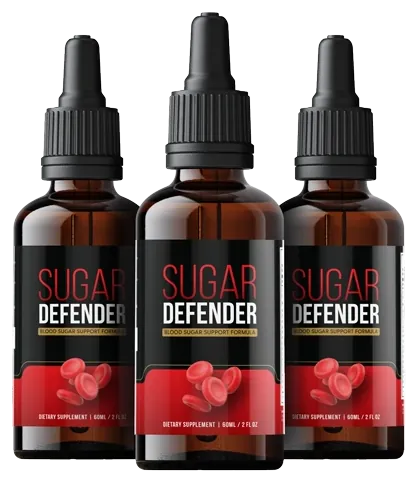
Supplements and diabetes medication can interact in two ways: some herbs and minerals may add to a drug's glucose-lowering effect and raise the risk of lows, and others change how drugs are absorbed. No supplement can replace diabetes medicine. Before adding Sugar Defender or any product, show the label to your prescriber or pharmacist.
Written by the Sugar Defender label deskUpdated
The short answer01
Can supplements replace diabetes medication?
No. No supplement can replace diabetes medication. FDA has said that no dietary supplement can treat diabetes (VERIFY (CBS8), Sugar Defender fact-check).
NCCIH puts it bluntly: do not replace medical treatment for diabetes with an unproven health product (NCCIH, Diabetes and Dietary Supplements). In 2021, FDA and the FTC warned 10 companies whose supplements claimed to treat diabetes, noting that people who rely on such products may miss real care (FDA and FTC, Diabetes supplement warning letters (2021)).
Sugar Defender is a dietary supplement. Its own label says it is not intended to diagnose, treat, cure or prevent any disease.
Never stop, skip or cut a diabetes medicine because you started a supplement. Any change to your treatment is a decision for you and your prescriber, made with lab results in hand.
Interactions02
How do herbal supplements interact with diabetes medication?
Diabetes medication and herbal supplements can interact by stacking glucose-lowering effects, which raises the risk of lows, or by changing how the body handles a drug.
The ADA warns that some supplements, combined with diabetes medicines, can cause low blood glucose (ADA, Vitamins & Supplements). NIH adds that supplements can weaken or strengthen many drugs, so your providers need the full list (NIH ODS, Dietary Supplements: What You Need to Know).
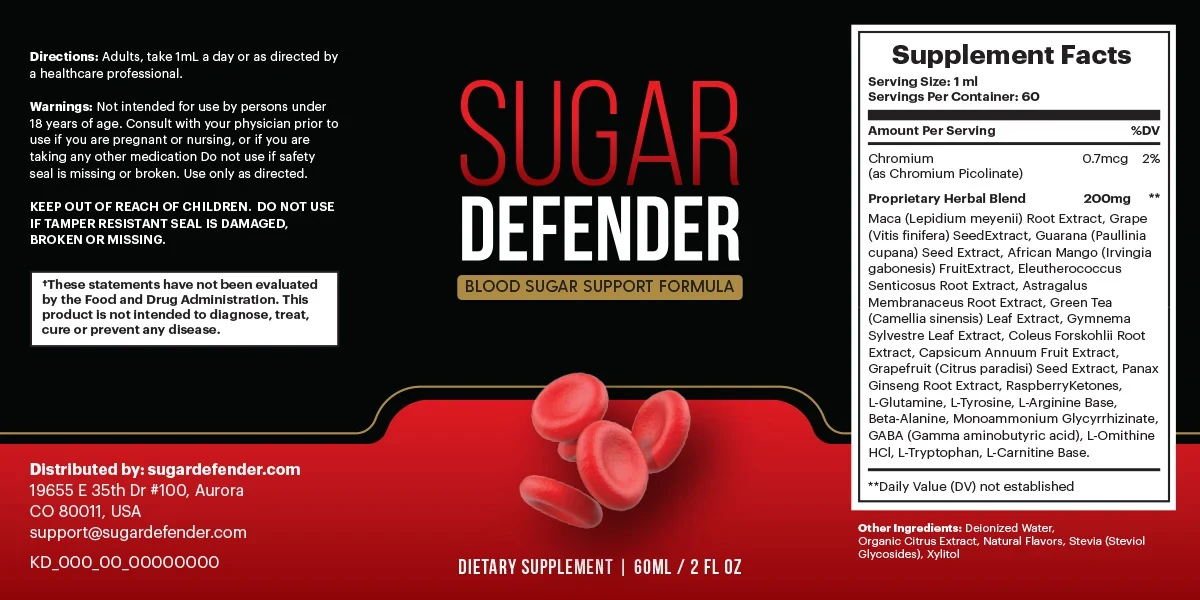
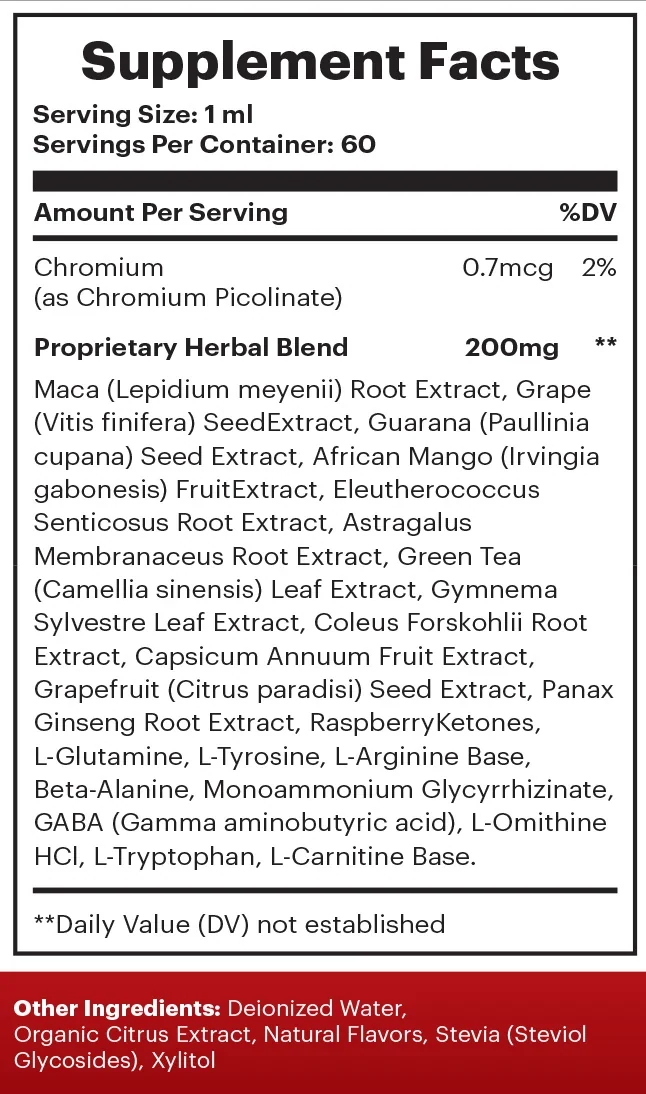
Sugar Defender has 23 label lines, and several carry a flag worth raising with a pharmacist. The table names the ones the research singles out.
| Label line | Flag | Who should ask first |
|---|---|---|
| Chromium | May add to insulin and other diabetes drugs; may reduce levothyroxine absorption (NIH ODS, Chromium) | Anyone on diabetes or thyroid medicine |
| Panax ginseng | Might lower blood sugar; may affect clotting and interact with some medicines (NCCIH, Asian Ginseng) | People on diabetes drugs or blood thinners |
| African mango | Caution with antidiabetic drugs for a possible added effect (MSKCC, Irvingia gabonensis (African mango)) | People on diabetes drugs |
| Astragalus | Low-quality studies suggest added lowering with metformin; may interact with immune-suppressing drugs (NCCIH, Astragalus) | Metformin users; transplant or autoimmune patients |
| Licorice compound | Glycyrrhizin can affect heart rhythm and blood pressure (NCCIH, Licorice Root) | People with high blood pressure |
| Eleuthero | Raised digoxin levels in a case report (MSKCC, Siberian Ginseng (Eleuthero)) | Digoxin users |
| L-tryptophan | Not for use with serotonin-raising drugs without advice (Drugs.com, L-tryptophan) | People on antidepressants or tramadol |
| Guarana, green tea | Caffeine; caution with stimulants and blood thinners (MSKCC, Guarana) | Caffeine-sensitive people; warfarin users |
The blend amounts are hidden, so nobody can say how strong each flag is at 1 mL. That uncertainty is a reason to ask, not a reason to assume it is fine.
Metformin03
What should metformin users know about supplements?
Metformin users should tell both their doctor and their pharmacist about every vitamin, supplement and herbal product they take. MedlinePlus gives exactly that instruction (MedlinePlus, Metformin).
MedlinePlus also asks patients to mention any history of low vitamin B12, and it notes that metformin can rarely cause a serious condition called lactic acidosis (MedlinePlus, Metformin). Those are reasons your prescriber wants a complete picture.
One Sugar Defender ingredient has been studied next to metformin. A review of mostly low-quality studies suggested astragalus added glucose lowering when combined with it (NCCIH, Astragalus). Nobody has tested the drops with metformin.
- Show the Supplement Facts panel, not just the brand name
- Ask whether your glucose checks should change
- Report new shakiness, dizziness or stomach trouble
Sulfonylureas and insulin04
Why are lows the main risk with sulfonylureas and insulin?
Insulin, sulfonylureas and meglitinides can cause low blood sugar on their own, so anything that pushes glucose down further adds to that risk (NIDDK, Low Blood Glucose).
Sulfonylureas include drugs such as glipizide and glimepiride. They make the pancreas release more insulin whether or not you have eaten. Insulin works directly.
For many people with diabetes, a low is a reading under 70 mg/dL (NIDDK, Low Blood Glucose). Learn the signs below before adding any supplement, and keep fast sugar nearby.
- Shaky or jitteryTrembling hands, feeling nervous
- Sweaty, chillsClammy skin out of nowhere
- Hungry, nauseousSudden strong hunger
- Dizzy, confusedTrouble thinking or speaking clearly
- Fast heartbeatPounding or racing pulse
15-15For many people with diabetes, a low is under 70 mg/dL. Take 15-20 g of fast carbohydrate (juice, glucose tablets), then check again in 15 minutes.
Call 911If someone with a low passes out, has a seizure or cannot safely swallow. Do not give food or drink to someone who is unconscious.
Signs and steps from NIDDK (NIDDK, Low Blood Glucose). Insulin, sulfonylureas and meglitinides can cause lows; supplements may add to them (ADA, Vitamins & Supplements).
GLP-1 medicines05
Can you take supplements with a GLP-1 medicine?
Ask your prescriber first. No published study has tested Sugar Defender with semaglutide, tirzepatide or any other GLP-1 type medicine, so there is no evidence either way.
Many people on a GLP-1 drug also take metformin, insulin or a sulfonylurea. If yours includes insulin or a sulfonylurea, the risk of lows described above applies (NIDDK, Low Blood Glucose).
There is also a practical issue. If you start a supplement and a new drug in the same month, nobody can tell which one caused a change. Starting one thing at a time keeps the picture clear.
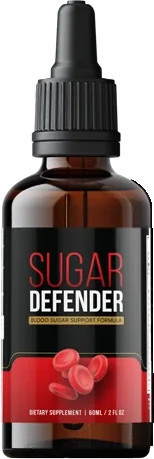
Sugar Defender: from $49 a bottle60 mL · 2, 3 or 6 bottles · free US shipping on 3 or 6 · 60-day money-back guarantee
See packsYour care team06
What should you tell your doctor about supplements?
Tell your doctor about supplements by name, dose and start date, and bring the label. NIH and NCCIH both advise telling your providers about every supplement you take (NIH ODS, Dietary Supplements: What You Need to Know) (NCCIH, Using Dietary Supplements Wisely).
The Sugar Defender label itself asks anyone taking other medication to consult a physician before use. FDA gives the same advice for supplements in general (FDA, Using Dietary Supplements).
Photograph the label
Include the Supplement Facts panel so the blend order shows.
Write the dose and time
For these drops: 1 mL a day, plus the time you chose.
Note the start date
It helps link any change in readings to a cause.
Ask the pharmacist too
Pharmacists check interactions against your whole medicine list.
If something goes wrong07
How do you report a bad reaction to a supplement?
Stop the product and file a report through FDA's Safety Reporting Portal if you think a supplement caused a serious reaction (FDA, How to Report a Problem with Dietary Supplements).
FDA says even partial details help it spot dangerous products. Tell your doctor as well, and keep the bottle.
Our product08
Where does Sugar Defender stand with diabetes medicines?
Sugar Defender has not been studied with any diabetes medicine, so no combination can be called safe. Treat it as a question for your prescriber.
The printed chromium dose is tiny, 0.7 mcg. The flagged herbs hide inside a 200 mg blend at unknown amounts. That combination is exactly why a label review matters more than a brand name.
Read more before you decide
The side effects page covers caffeine, xylitol and the label warnings. Ginseng, one of the flagged herbs, has its own ginseng page with its dose ceiling.
The chromium page explains the levothyroxine note. For your own lab ranges, see the blood sugar numbers guide.

FAQ09
Supplements and diabetes medicine questions
Can I stop my diabetes medicine if I start a supplement?
No. Keep your medicine exactly as prescribed. FDA has said no dietary supplement can treat diabetes (VERIFY (CBS8), Sugar Defender fact-check), and NCCIH warns against swapping medical care for unproven products (NCCIH, Diabetes and Dietary Supplements). Only your prescriber should change a dose, and only with lab results to guide the decision.
Do herbal supplements interact with metformin?
Some may. A review of low-quality studies suggested astragalus added glucose lowering with metformin (NCCIH, Astragalus), and MedlinePlus tells metformin users to report every herbal product to their doctor and pharmacist (MedlinePlus, Metformin). Nobody has tested Sugar Defender with metformin, so ask before combining them.
Can I take supplements while on Ozempic or another GLP-1 drug?
Ask your prescriber first. No study has tested Sugar Defender with GLP-1 medicines. If your plan also includes insulin or a sulfonylurea, those drugs can cause lows on their own, and a supplement may add to them (NIDDK, Low Blood Glucose) (ADA, Vitamins & Supplements). Start new products one at a time.
Are supplements riskier if I take a sulfonylurea like glipizide?
The risk of lows is higher, because sulfonylureas can cause low blood sugar by themselves (NIDDK, Low Blood Glucose). Chromium and some herbs may add to diabetes drugs (NIH ODS, Chromium). Talk to your prescriber, learn the signs of a low, and keep 15-20 g of fast carbohydrate on hand.
What blood sugar level counts as too low?
For many people with diabetes, a reading under 70 mg/dL counts as low. Signs include shakiness, hunger, dizziness, confusion and a fast heartbeat. Take 15-20 g of fast carbohydrate and recheck in 15 minutes (NIDDK, Low Blood Glucose). Call 911 if someone passes out or cannot swallow safely.
Should I tell my pharmacist about supplements, not just my doctor?
Yes. Pharmacists check each new product against your full medicine list, which is how many interactions get caught. NIH advises telling all your health care providers what you take (NIH ODS, Dietary Supplements: What You Need to Know). Bring a photo of the Supplement Facts panel so the pharmacist sees every ingredient.
How do I report a bad reaction to a supplement?
Stop using the product and file a report through FDA's Safety Reporting Portal at safetyreporting.hhs.gov. FDA says even partial information helps it find dangerous products (FDA, How to Report a Problem with Dietary Supplements). Also tell your doctor, and keep the bottle and its box in case anyone asks to see them.
Who wrote this10
Written and reviewed by
Pages built from the label, the sales page and linked NIH, FDA, CDC, FTC and peer-reviewed sources.
Last updated . Read our editorial standards and how we check reviews. This website is run by Isugardefender, a Sugar Defender U.S. shop, not by the manufacturer or the distributor. We earn money when you buy through our order links.
Keep reading
More about Sugar Defender
Sugar Defender U.S. shop
Ready to try Sugar Defender?
Check your medicines first, then pick a pack. Three or six bottles ship free in the US and cost less per bottle, and every pack carries the 60-day money-back guarantee.
- Secure checkout on the order page
- 60-day money-back guarantee
- Ships from the U.S.; free on 3 or 6