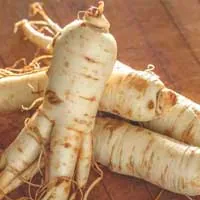
Panax ginseng
Panax Ginseng Blood Sugar Research: How Much Root Is in a Sugar Defender Dropper, and What Trials Found
Panax ginseng blood sugar trials show a small effect: 16 trials found fasting glucose about 5.6 mg/dL lower, with no A1C change. In Sugar Defender, ginseng root extract is 12th of 22 in a 200 mg blend, so 1 mL holds at most 17 mg. Trials used about 100 mg to 20 g a day.
Written by the Sugar Defender label deskUpdated
The plant01
What is Panax ginseng?
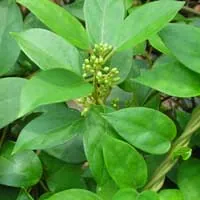
Panax ginseng is a slow-growing plant with a pale, forked root. It is also called Asian or Korean ginseng.
The root holds compounds called ginsenosides. Extracts are often sold by their ginsenoside content.
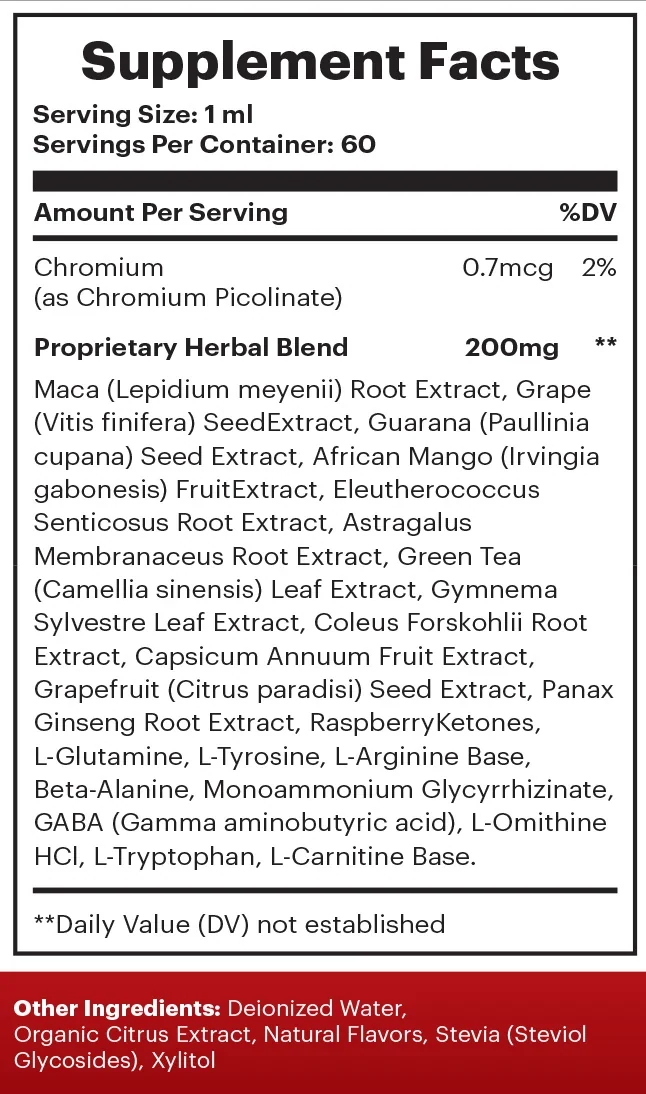
Sugar Defender's panel lists "Panax Ginseng Root Extract". It gives no ginsenoside figure, no extract ratio and no amount.
Not the same as eleuthero
The blend also has eleuthero, sold as "Siberian ginseng". It is a different genus with thinner research.
Label math02
How much Panax ginseng is in one dropper?
At most about 17 mg. Ginseng is 12th of 22 in the 200 mg blend, and 200 divided by 12 is about 17.
Blend ingredients are listed from most to least by weight (21 CFR 101.36 (eCFR)). So eleven lines weigh at least as much as ginseng, and twelve equal shares would be 17 mg each.
An even split gives about 9 mg. Ten more lines sit below ginseng, so its real share could be smaller still.
| Source | Per day | Compared with 100 mg |
|---|---|---|
| Even split of the blend | About 9 mg | About 9% |
| Label-order ceiling (place 12) | At most 17 mg | At most 17% |
| Lowest dose in the 16 trials (Shishtar et al., PLoS One 2014) | About 100 mg | 100% |
| Highest dose in the 16 trials (Shishtar et al., PLoS One 2014) | 20 g | 200 times more |
Glucose03
What does research say about Panax ginseng and blood sugar?
The research is mixed. A pooled review of 16 trials found a modest fasting-glucose drop of about 5.6 mg/dL, and no clear effect on A1C or fasting insulin (Shishtar et al., PLoS One 2014).
Those 16 trials had 770 people, and results varied a lot from study to study (Shishtar et al., PLoS One 2014).
NCCIH calls the ginseng and diabetes research inconclusive and conflicting. It also notes a 2022 review of 20 studies that found better fasting glucose (NCCIH, Asian Ginseng).
The bars compare a dropper's share with research doses.
In context04
How big is a 5.6 mg/dL drop in fasting glucose?
Small. Fasting glucose of 100 to 125 mg/dL counts as prediabetes, so 5.6 points is a fraction of that band (NIDDK, Diabetes & Prediabetes Tests).
A1C is the longer view, a two-to-three-month average. The ginseng trials did not move it (Shishtar et al., PLoS One 2014). That is why the effect, where seen, is called modest.
Example only
A fasting reading of 112 mg/dL minus 5.6 is about 106. That is still in the prediabetes range.
Higher doses
That average came from at least 100 mg a day. A dropper holds at most 17 mg.
Not a treatment
NCCIH says herbs such as ginseng have not proven benefit for diabetes (NCCIH, Diabetes and Dietary Supplements).
Read what each range means on normal blood sugar levels.
Safety05
What are the side effects of Panax ginseng?
Insomnia is the most common Panax ginseng side effect, says NCCIH. It may also interfere with blood clotting and interact with some medicines (NCCIH, Asian Ginseng).
NCCIH adds that ginseng might push blood sugar down. So it asks people with diabetes to talk with a provider first (NCCIH, Asian Ginseng).
On insulin or a sulfonylurea, a low is the risk to watch. Shakiness, hunger, dizziness and a fast heartbeat are common signs (NIDDK, Low Blood Glucose).
Do not cut or skip a diabetes medicine because you added ginseng drops. Bring the full label to your doctor or pharmacist.
- Blood thinners: ask first, since ginseng may affect clotting
- Pregnancy: NCCIH says ginseng may be unsafe
- Sleep: take it earlier in the day if you notice insomnia (our suggestion)
More on supplements and diabetes medication.
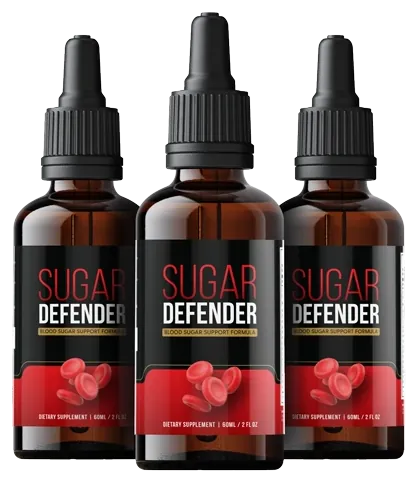
Sugar Defender: from $49 a bottle60 mL · 2, 3 or 6 bottles · free US shipping on 3 or 6 · 60-day money-back guarantee
See packsSales claim06
Is the ginseng claim on the sales page fair?
Only in part. The sales page says ginseng "Supports Healthy Blood Glucose" (Sugar Defender sales page). The trials used far more root than a dropper holds.
A fair line: ginseng alone, at 100 mg a day or more, nudged fasting glucose a little. A1C did not change. A 17 mg share of a mixed blend is another thing.
Sugar Defender itself has not been tested. Ginseng results belong to ginseng studies.
Profile07
What does the Panax ginseng label profile show?
The profile puts the panel's ginseng line beside the research dose, evidence grade and main caution.
| Name on the label | Panax Ginseng Root Extract |
|---|---|
| What it is | Asian ginseng root |
| Place on the label | 12 of 22 in the 200 mg proprietary blend |
| Amount per mL (1 dropper) | Not listed; #12 of 22 in the 200 mg blend, so at most 17 mg per mL |
| Amount used in research | About 100 mg to 20 g |
| Strength of evidence | Modest drop in fasting glucose; no A1C effect |
| Marketed or traditional use | Studied for glucose control |
| Main caution | May lower blood sugar; may affect blood thinners; insomnia. |
Other lines08
Which other Sugar Defender ingredients have glucose research?
Chromium and gymnema are the other two lines with human glucose trials. Both face the same dose gap.
See gymnema for blood sugar or pick any line below.
FAQ09
Panax ginseng questions, answered
Does Korean ginseng lower A1C?
No clear effect has been shown. A review of 16 trials found that ginseng did not significantly change A1C or fasting insulin, though fasting glucose fell by about 5.6 mg/dL on average (Shishtar et al., PLoS One 2014). A1C reflects about three months, so it is the stricter test of any real change.
What are ginsenosides?
Ginsenosides are the compounds in Panax ginseng root that researchers study most. Extracts are often standardized to a ginsenoside percentage. Sugar Defender's label prints no ginsenoside content and no ginseng amount, only its place as 12th of 22 in the blend, so the dose cannot be checked.
Is Panax ginseng the same as Siberian ginseng?
No. Panax ginseng is Asian or Korean ginseng. Siberian ginseng is eleuthero, a different plant with its own, thinner research. Sugar Defender's blend contains both: eleuthero root is 5th and Panax ginseng root is 12th of 22, with no amounts printed.
Can ginseng cause low blood sugar with diabetes medicine?
It might add to them. NCCIH says ginseng might push blood sugar down and asks people with diabetes to talk to a provider first (NCCIH, Asian Ginseng). Lows are most likely with insulin or a sulfonylurea (NIDDK, Low Blood Glucose). Tell your care team before adding any ginseng product, and keep a meter log.
Is the ginseng in Sugar Defender enough to matter?
Probably not on its own. Trials in the main review gave about 100 mg to 20 g a day (Shishtar et al., PLoS One 2014), while a 1 mL serving holds at most 17 mg and about 9 mg on an even split. The label hides the real amount, so nobody outside the maker can say.
Does Panax ginseng cause insomnia?
It can. NCCIH lists insomnia as the most common side effect of Asian ginseng (NCCIH, Asian Ginseng). Sugar Defender also contains guarana and green tea, which bring caffeine. If sleep suffers, an earlier time of day is a sensible habit, and a doctor can help sort out the cause.
Who wrote this10
Written and reviewed by
Pages built from the label, the sales page and linked NIH, FDA, CDC, FTC and peer-reviewed sources.
Last updated . Read our editorial standards and how we check reviews. This website is run by Isugardefender, a Sugar Defender U.S. shop, not by the manufacturer or the distributor. We earn money when you buy through our order links.
Keep reading
More about Sugar Defender
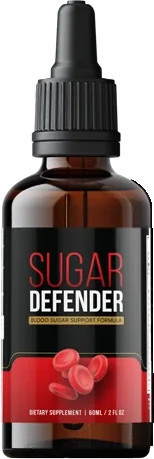
Sugar Defender U.S. shop
Ready to try Sugar Defender?
Check your medicines first, then pick a pack. Three or six bottles ship free in the US and cost less per bottle, and every pack carries the 60-day money-back guarantee.
- Secure checkout on the order page
- 60-day money-back guarantee
- Ships from the U.S.; free on 3 or 6